# Disadvantages of Demonetization: A Comprehensive Analysis
Demonetization, the process of invalidating a country’s currency, is often implemented with the intent to curb corruption, reduce black money, and promote a cashless economy. However, the disadvantages of demonetization can be significant and multifaceted. This essay will explore the disadvantages of demonetization in detail, highlighting the various economic, social, and logistical challenges it poses.
1. Economic Disruption disadvantages of demonetization
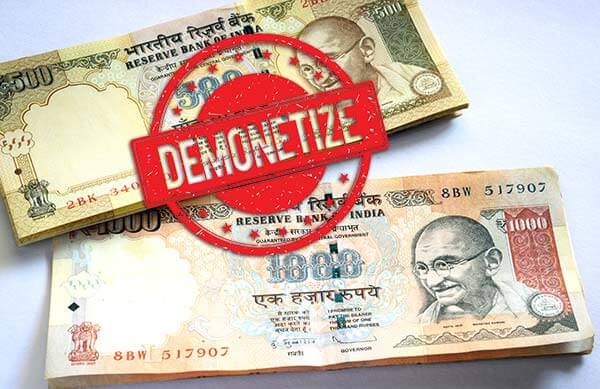
One of the primary disadvantages of demonetization is the severe economic disruption it causes. When a significant portion of the currency is suddenly invalidated, it leads to a cash crunch. This was evident in India’s 2016 demonetization, where 86% of the currency in circulation was rendered invalid overnight. Small businesses, which rely heavily on cash transactions, faced immediate liquidity issues, leading to temporary or permanent closures. this is what we called disadvantages of demonetization
2. Impact on GDP

Demonetization can have a negative impact on a country’s Gross Domestic Product (GDP). The Indian experience showed a significant slowdown in GDP growth following demonetization. The GDP growth rate dropped from 8.01% in the third quarter of 2016 to 6.12% in the fourth quarter, and further to 5.7% in the first quarter of 2017. The decrease in consumer spending and industrial output due to the cash shortage was a major factor behind this slowdown. this is what we called disadvantages of demonetization
3. Short-term Pain for Long-term Gain: A Questionable Trade-off
The notion that short-term pain will lead to long-term gain is often debated when discussing the disadvantages of demonetization. In India, the promised benefits, such as a substantial reduction in black money, were not fully realized. According to the Reserve Bank of India, 99.3% of the demonetized currency was returned to the banks, suggesting that black money holders found ways to launder their wealth. The short-term suffering inflicted on ordinary citizens raises questions about the fairness and efficacy of demonetization. this is what we called disadvantages of demonetization
4. Digital Divide and Financial Inclusion disadvantages of demonetization

Promoting digital transactions and financial inclusion is often cited as a goal of demonetization. However, this can exacerbate the digital divide. In India, urban areas adapted quickly to digital payments, but rural areas struggled due to a lack of access to smartphones, internet connectivity, and banking facilities. The abrupt shift to a cashless economy left many rural residents and the elderly at a disadvantage, highlighting the disparities in digital literacy and access. this is what we called disadvantages of demonetization
5. Psychological and Social Impact
The psychological and social impacts are significant disadvantages of demonetization. The sudden invalidation of currency creates widespread panic and anxiety. People faced long queues at banks and ATMs, leading to frustration and emotional distress. Social practices, such as weddings that often involve substantial cash transactions, were disrupted. Families struggled to meet expenses, resulting in cancellations and postponed events, which had a broader social impact. this is what we called disadvantages of demonetization
6. Inequality and Injustice
Demonetization can exacerbate economic inequalities. The wealthy often have the means to circumvent the system, while the poor bear the brunt of the policy. In India, the wealthy could access alternative forms of currency or digital transactions, while the poor struggled with basic daily needs. Informal sector workers faced job losses and delayed payments, deepening the sense of injustice and economic disparity.
7. Implementation Challenges
The success of demonetization heavily depends on its implementation, which can present significant challenges. In India, the government and banking infrastructure were unprepared for the sudden surge in demand for new currency. Delays in printing and distributing new notes led to prolonged cash shortages. Inconsistent policy communication and frequent changes in rules added to the confusion and uncertainty, exacerbating the negative impact on the population.
8. Cost of Transition
The cost of transitioning to a new currency regime is another notable disadvantage of demonetization. The expenses involved in printing new currency notes, recalibrating ATMs, and managing logistics can strain government resources. In India, the cost of demonetization was estimated to be around ₹1.3 lakh crore (approximately $18 billion). This includes costs incurred by the Reserve Bank of India and commercial banks. The opportunity cost of lost productivity due to time spent in queues and the economic slowdown further adds to the financial burden.
9. Impact on the Informal Economy
The informal economy, which relies heavily on cash transactions, is disproportionately affected by demonetization. In India, daily wage workers, small vendors, and rural farmers faced severe hardships due to the cash crunch. The inability to access digital payment systems or banking services meant that many in the informal sector lost their livelihoods. This impact on the informal economy underscores one of the critical disadvantages of demonetization.
10. Questionable Efficacy in Curbing Black Money and Corruption
One of the intended outcomes of demonetization is to curb black money and corruption. However, the efficacy of this measure is often questionable. In India, despite the initial surge in deposits and identification of suspicious accounts, the long-term impact on reducing black money was minimal. Many found ways to convert their black money into white through various means. The disadvantages of demonetization, such as economic disruption and social distress, often outweigh the potential benefits in tackling black money and corruption.
Conclusion
Demonetization, while aimed at achieving economic transparency and reducing illicit activities, presents several disadvantages that can have far-reaching implications. The economic disruption, impact on GDP, increased inequality, implementation challenges, and cost of transition highlight the multifaceted challenges of demonetization. The psychological and social impacts, digital divide, and questionable efficacy in curbing black money further underscore the disadvantages of demonetization. Policymakers must carefully consider these disadvantages before implementing such drastic economic measures, ensuring that the intended benefits outweigh the potential drawbacks.
